
The Best Eyebrow Shape for Face Shape
Optimal eyebrow shape depends on face shape, since brows balance facial proportions and structure. Round faces benefit from angled arches, square faces suit softer curves, and oval faces accommodate most styles. Meena Beauty Salon's precision threading in Queens, NY, sculpts brows to each client's unique bone structure for a naturally balanced, flattering result.
By Editorial Team · Updated 2026-10-01
Key Takeaways
- Eyebrow shape directly balances facial features and provides essential structural definition to your face.
- The slightest arch adjustment creates a huge difference in how your features appear proportioned.
- Eyebrows serve three critical functions: shaping your face, highlighting your eyes, and expressing emotions.
- Upload a front-facing photo to receive instant AI-powered recommendations for your ideal brow shape.
What Do You Need Before Shaping Your Eyebrows?
Three things matter before any brow work begins: a qualified salon, a technician who specializes in shaping, and a clear picture of personal facial features. Skipping this preparation risks an arch that fights the face rather than flattering it. The sections below outline what each requirement involves.
Why Does the Salon Choice Matter?
A salon offering a wide range of beauty services gives clients a dependable starting point for brow work built around individual features. Establishments that cover eyebrow threading alongside full body waxing and specialized facial treatments tend to approach brows as part of an overall look, not an isolated task. A salon with years of established presence in a metro area also carries a track record worth checking before booking.
What Should a Technician Bring to the Table?
Technicians who specialize in eyebrow threading and shaping are best positioned to deliver an arch that enhances natural features. Specialization means the technician has refined technique specifically for brow work, rather than treating it as a side service. The goal, in every case, is a brow arch that works with existing bone structure instead of against it.
Clients also need a baseline understanding of their own face before sitting down for a shaping session. Several factors shape the best eyebrow shape recommendation:
- Face shape (round, oval, square, heart)
- Natural hairline placement
- Preferred hairstyle and how it frames the face
- Makeup habits, including how brows are typically filled or defined
- Daily lifestyle and maintenance routine
Bringing awareness of these factors into a consultation helps the technician map an eyebrow shape for face shape that suits long-term, not just a one-time trend.
How Do You Determine Your Face Shape First?
Face shape identification starts with a visual comparison of width, length, and jawline angle against standard shape categories. Eyebrow shape exists to balance facial features and establish overall structure. An accurate reading of the face forms the foundation of any brow plan. Skipping this step leads to brows that fight the face shape instead of working with it, a mismatch that leaves clients looking heavier in the jaw, rounder in the cheeks, or longer in the forehead than intended.
A trained technician at an established Queens salon brings years of consistent, hands-on experience to this assessment. That depth of practice allows a consultation to read facial geometry with precision rather than guesswork, setting up every later decision about arch height and brow length.
What Are the Main Face Shape Categories?
Most consultations sort faces into a handful of recognizable categories before any shaping begins:
- Round: similar width and length, soft curves, no sharp angles
- Oval: balanced proportions with a slightly narrower jaw than forehead
- Square: strong jawline, wide forehead, minimal curve at the edges
- Heart: wider forehead narrowing toward a pointed chin
- Long: noticeably greater length than width
Why Does Accurate Shape Identification Matter Before Shaping Begins?
Getting the shape right determines whether the brow arch corrects or exaggerates existing proportions. A salon specializing in eyebrow threading and shaping uses this early analysis to translate facial observations into an arch that enhances natural beauty rather than working against it. Without that correct starting point, even skilled technique produces a result that misses its purpose.
Which Eyebrow Shape Suits Round, Oval, and Other Faces?
Face shape determines which arch style brings the most balance to a client's features. Eyebrow shape for face shape matching works because threading offers a natural, sanitary method of hair removal that creates precise, customized definition rather than a generic arch applied to everyone. Skipping this step leaves brows that fight the bone structure instead of complementing it, which can make a round face look rounder or a square jaw appear heavier.
Threading achieves this precision through a twisted cotton thread technique, which grips and extracts hair directly from the follicle. This grip-and-pull method allows technicians to sculpt arches tailored to round, oval, square, and heart face shapes rather than relying on blades or wax that remove hair less selectively.
What is the best eyebrow shape for a round face?
The best eyebrow shape for a round face typically features a higher, more angular arch. A pronounced peak adds visual length and structure, counteracting the softness of rounded cheeks and a curved jawline. Technicians map this higher point carefully so the brow lifts the eye area without looking exaggerated.
What eyebrow shape works best for an oval face?
An eyebrow shape for oval face types generally stays soft and moderately arched, since oval faces already carry balanced proportions. A gentle curve maintains that natural symmetry rather than introducing sharp angles the face doesn't need.
Brow mapping threading supports these distinctions because the method follows each client's natural hair growth pattern. This approach enhances symmetry while reducing ingrown hairs and skin irritation, two common risks associated with less precise removal methods.
Clients weighing their options can also consult AI-powered virtual matching tools before a consultation. These tools generate instant shape recommendations based on facial features, giving clients a helpful reference point to discuss with their technician:
- Round faces: higher, angular arch for added structure
- Oval faces: soft, moderate curve to preserve natural balance
- Square or heart faces: customized arch height determined during mapping
How Does Brow Mapping Threading Work Step-by-Step?
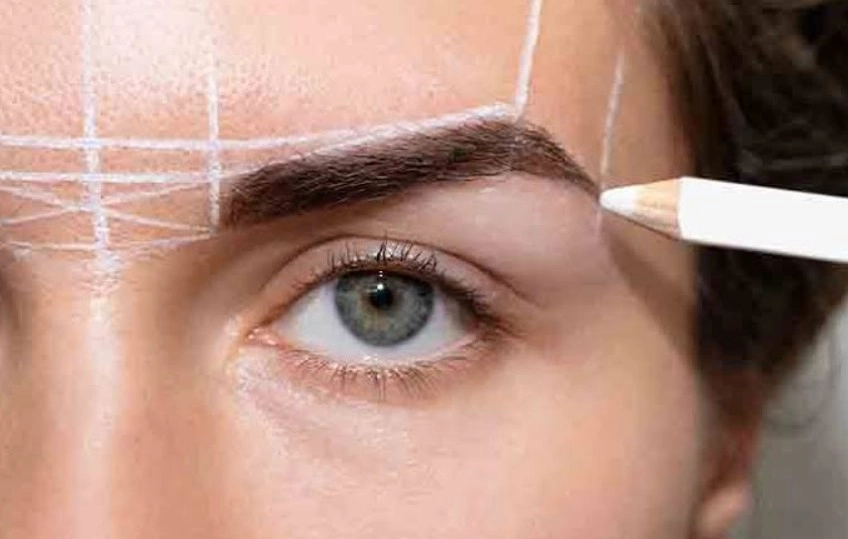
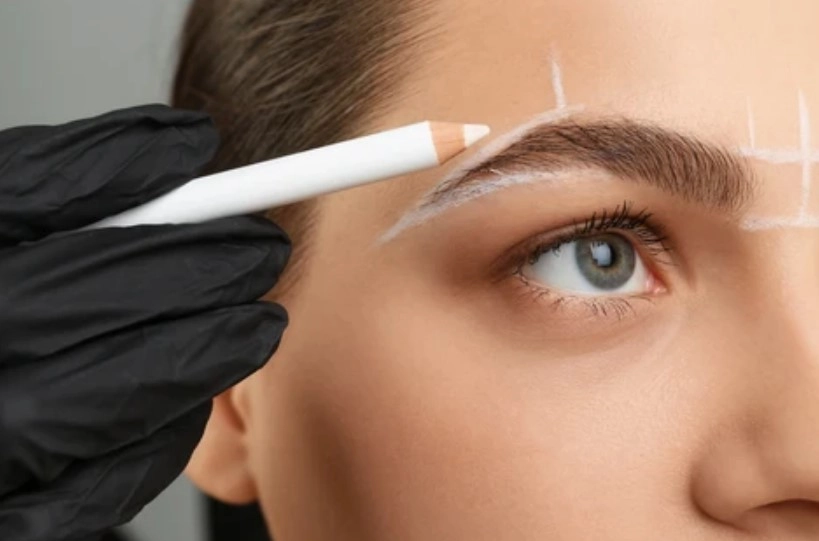
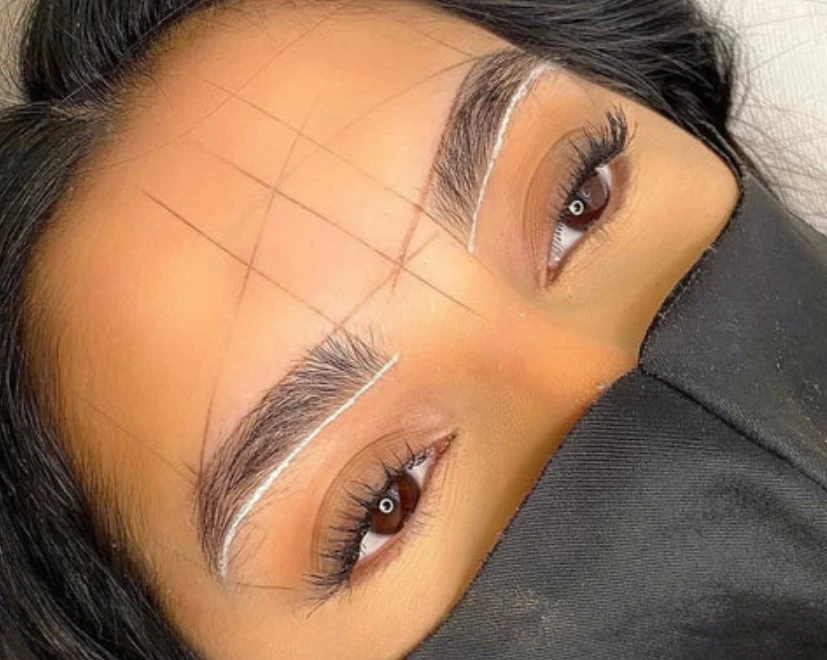
Brow mapping threading follows a defined sequence: assessment, measurement, hair removal, and refinement. A trained technician builds each eyebrow threading around the client's bone structure rather than a generic template. The process unfolds in four stages.
- Assess the face and surrounding hairline. Threading removes unwanted hair from the entire face, including the upper lip, chin, forehead, and sideburns. This full-face approach lets a technician map the complete frame of the face, not just the brow area, before any shaping begins.
- Mark reference points. The technician identifies where the brow should start, arch, and end based on facial landmarks.
- Remove hair with thread. Precise rows of unwanted hair get lifted from outside the mapped lines, preserving the natural brow shape underneath.
- Refine and check symmetry. A final pass balances both brows against each other and against the rest of the face.
Can Technology Preview Results Before Threading Begins?
Advanced analysis tools now let clients visualize an ideal brow shape before any physical change is made. Pairing this kind of preview with in-person brow mapping gives clients a clearer sense of outcome before thread ever touches skin.
How Do Clients Choose a Studio for Mapping Work?
Selecting a trustworthy provider means looking past convenience alone. Location, pricing, and the range of available techniques all signal whether a studio can deliver precise mapping and shaping results. Consistency matters, too. Years of steady service within one community, such as the Queens, NYC metro area, reflect the hands-on repetition that sharpens a technician's eye for symmetry and proportion, the kind of experience that turns a routine appointment into a dependable, repeatable result for every visit.
What Mistakes Should You Avoid After Shaping?
Ignoring facial geometry ranks among the biggest shaping mistakes clients make. Over-plucking without regard to bone structure can make a square jaw look heavier, a round face look rounder, or a forehead appear longer than it actually is. These errors rarely show up until the brows grow out, leaving clients stuck with an arch that fights their features for weeks.
How Can Over-Plucked Brows Be Fixed?
Correcting over-plucked or uneven brows calls for a natural, sanitary method rather than a quick at-home touch-up. Threading removes hair cleanly from the follicle without the irritation that rushed shaping or harsh tools can cause. This makes it a gentler path back to a balanced eyebrow shape while skin recovers.
When Should a Client See a Professional?
A salon specializing in eyebrow shape for face shape analysis and shaping offers the most reliable fix for mistakes. Clients correcting asymmetry or regrowing thin brows benefit from professional brow mapping threading, which realigns the arch to the client's natural bone structure.
Common post-shaping mistakes to avoid include:
- Plucking stray hairs daily instead of waiting for a full regrowth cycle
- Shaping brows to match a trend rather than the best eyebrow shape for round face or eyebrow shape for oval face contours
- Skipping aftercare, which prolongs redness and irritation
FAQ
What eyebrow shape works best for a round face?
Round faces benefit from angled arches, which add definition and structure that balances rounder facial proportions.
What should you consider before getting your eyebrows shaped?
Choose a qualified salon, work with a technician who specializes in shaping, and understand your own face shape, hairline, hairstyle, and makeup habits beforehand.
How do you figure out your face shape before choosing a brow style?
Compare the width, length, and jawline angle of your face against standard shape categories. This accurate reading forms the foundation of any brow plan.
Conclusion
In closing, selecting the right eyebrow threading for your face shape represents a fundamental step toward enhancing your natural features and achieving a polished appearance. By understanding how different arch heights, lengths, and angles complement your unique facial structure, you gain the confidence to make informed decisions about your brows. Whether you work with a professional or refine your technique independently, this knowledge empowers you to frame your face with precision and intention, ultimately creating a harmonious balance that reflects your personal style.