
Men’s Waxing vs Trimming: What’s Better for Chest, Back & Arms?

Grooming for men has shifted from occasional upkeep to routine care. When it comes to chest, back and arm hair, most people choose between waxing or trimming — and each method answers a different need. Below we break down how they work, what to expect for comfort and results, and how to pick the right approach for your style and schedule. Read on to make a clear choice that fits your routine.
Studies show male body hair removal is growing more common and can shape men’s feelings about their bodies.
Male Body Hair Removal: Prevalence, Methods & Impact
In a survey of 118 male university students, researchers found that roughly 63.6% reported reducing or removing body hair below the neck. The study documented where men remove hair, which methods they use, their motivations, and any injuries or emotional effects tied to depilation. These findings help explain how body hair practices relate to men’s body image and daily grooming choices.
Male body depilation: Prevalence and associated features of body hair removal, JK Thompson, 2005
Waxing vs. Trimming for Men: Chest, Back, and Arms?
Waxing and trimming serve different goals. Waxing removes hair from the root by applying and pulling a wax layer off the skin, giving a smooth, stubble-free result. Trimming cuts hair at the surface with clippers or scissors, which keeps things tidy but leaves the follicles intact.
The biggest practical difference is how long the results last. Waxing delays regrowth for weeks; trimming needs more frequent maintenance. Waxing can be more uncomfortable because it pulls hair from the root, while trimming is painless and fast. Waxingand trimming both have their benefits.
How Do Waxing and Trimming Affect Hair Growth and Duration?
Because waxing removes hair from the follicle, regrowth usually appears more slowly and may feel finer over time. Typical waxing cycles for body hair are two to six weeks between sessions. Trimming leaves the follicle untouched, so hair can return within days.
Many clients prefer waxingwhen they want a longer-lasting smooth look; trimming works better for quick upkeep or when you want to keep some natural texture.
What Are the Pain Levels and Comfort Considerations for Waxing vs Trimming?
Pain tolerance and skin sensitivity matter. Waxing can pinch or sting, especially the first few times, but regular sessions often feel easier as follicles weaken. Simple comfort tips include making sure skin is clean and dry, and considering an over-the-counter pain reliever beforehand if you’re anxious.
Broader research on pain perception can help explain why people experience waxingdifferently.
Gender Differences in Pain Perception
Reviews of clinical and experimental studies suggest differences in how men and women report and respond to pain. On average, women show higher sensitivity and greater pain-related distress in many clinical contexts, which can shape expectations and experiences with procedures like waxing.
Sex-based differences in pain perception and treatment, CM Campbell, 2009
Trimming is usually painless and can be done at home or in a salon with minimal fuss. If you have reactive or easily irritated skin, trimming may be the gentler option. Ultimately, pick the method that matches your comfort level and skin response.
Benefits: Men’s Waxing vs. Trimming for Chest, Back & Arms.
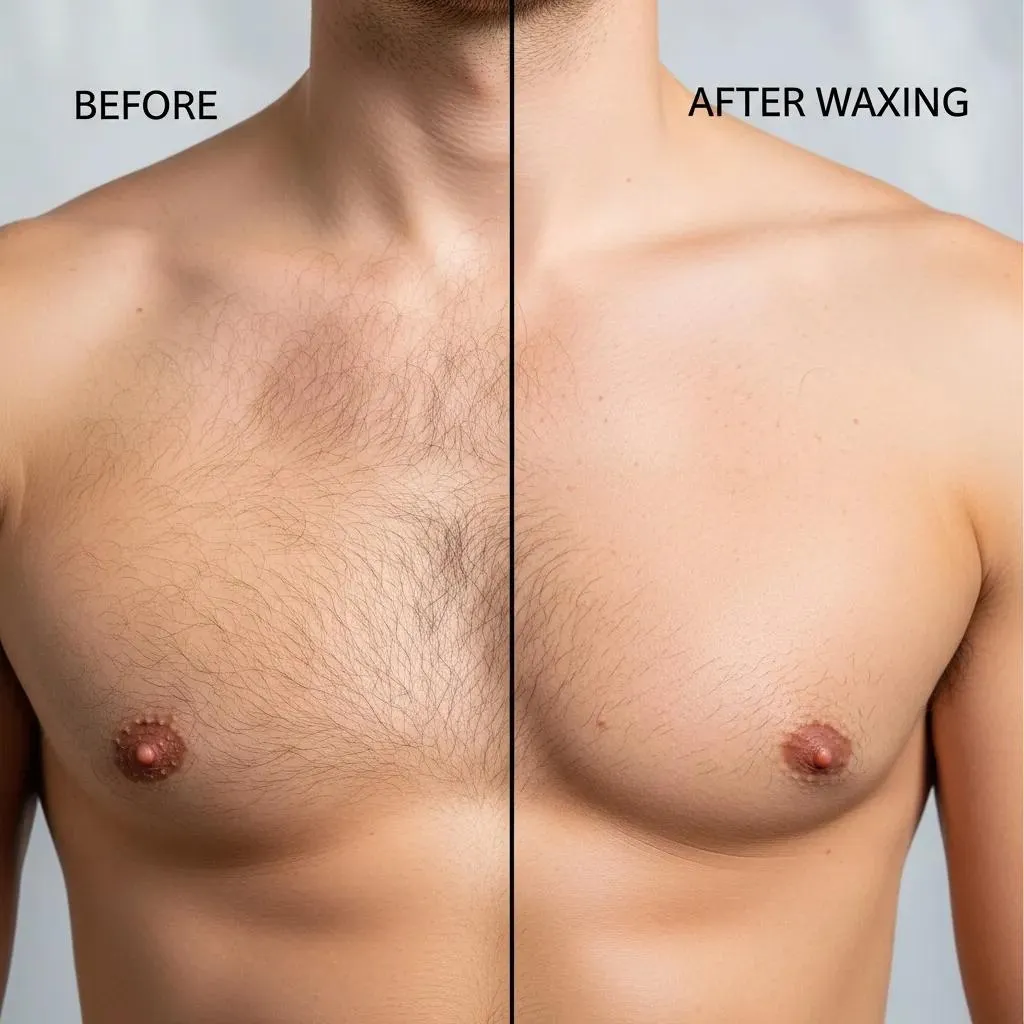
Waxing delivers longer-lasting smoothness and a cleaner finish than trimming. A single waxing session can keep skin smooth for two to six weeks depending on hair growth. For many men that means fewer upkeep sessions and a polished look with less daily effort. Waxing servicescan be beneficial in achieving this.
Because waxing removes hair from the root, the regrowth often feels softer and less dense over time. Trimming is quick, but it can leave a telltale stubble and needs repeating far more often. waxing
How Does Waxing Provide Longer-Lasting Results for Men’s Body Hair?
Waxing disrupts the hair growth cycle by extracting hair from the follicle, which delays regrowth. With repeated waxing, many people notice slower regrowth and a thinning of hair density, which makes future sessions easier and sometimes less uncomfortable.
Trimming simply shortens the visible hair and does not change follicle behavior, so it’s a short-term solution rather than a long-term reduction strategy.
What Skin Care and Aftercare Tips Enhance Waxing Results for Men?
After waxing, soothe and protect the area. Use a gentle, fragrance-free moisturizer to ease dryness and calm irritation. Avoid direct sun, hot baths, saunas or tight clothing for the first 24 hours to reduce redness.
A few days after waxing, exfoliate lightly to help prevent ingrown hairs. If you’re unsure about products, ask your esthetician for recommendations tailored to your skin type.
How Does Arm Hair Removal Compare Between Waxing and Trimming?
For arms, waxing gives a smooth, uniform finish that lasts longer; trimming is faster and less invasive. Waxing suits anyone aiming for a clean look, while trimming suits those who want low-maintenance grooming or to keep some natural hair.
If your skin is sensitive, discuss gentle wax formulas with a professional. Trimming remains a safe, irritation-minimizing alternative when needed. Threading and Waxingare great options to consider.
What Are the Pros and Cons of Waxing vs Trimming for Arm Hair?
| Method | Pros | Cons |
|---|---|---|
| Waxing | Lasts longer, leaves a smooth, stubble-free finish | Can cause temporary discomfort; best done by a trained technician |
| Trimming | Fast, painless, easy to do at home | Needs frequent upkeep; may leave visible stubble |
Can Men with Sensitive Skin Safely Wax Their Arms?

Yes — with precautions. Choose a wax formulated for sensitive skin and request a small patch test before treating a larger area. A trained esthetician can adjust technique and products to reduce irritation.
If sensitivity persists, consider trimming or speak with a dermatologist for tailored advice. Your comfort and skin health should guide the choice.
How to Choose the Right Salon in Queens for Men’s Waxing Services?
Look for a salon with good reviews, clear hygiene practices, and staff experienced with men’s body waxing. Cleanliness, visible training or certifications, and a welcoming atmosphere are good signs.
Don’t hesitate to ask about the products they use, whether they offer sensitive-skin options, and how they handle aftercare. A short consultation before your first session can set expectations and build trust.
What Makes Meena Threading Salon a Top Choice for Men’s Chest, Back, and Arm Waxing?
At Meena Threading Salon we specialize in body waxingand tailored grooming for men. Our technicians are trained in safe, efficient wax techniques to deliver comfortable, long-lasting results.
We focus on client comfort and clear aftercare guidance, so you leave looking and feeling your best. If you want reliable results from a team that understands men’s grooming needs, we’re set up to help.
How Do Local Grooming Trends Influence Men’s Waxing Preferences in Queens?
Trends in Queens reflect broader shifts: more men are experimenting with professional grooming and seeking services that fit their lifestyle. Social media and celebrity looks have accelerated interest, but local preferences still lean toward practical, low-maintenance solutions.
Salons that track these trends can match services to client expectations — whether that means a smooth finish, a natural look, or something in between.
Other research explores the cultural and personal reasons men choose specific grooming routines and how those choices shape self-presentation.
Men's Grooming Practices & Body Presentation
This study examines the motivations behind men’s grooming and how personal presentation becomes part of cultural and individual identity. It highlights grooming as both a social practice and a way men manage how they feel about their bodies in everyday life.
Men and their groomed body: Understanding personal grooming as both a discursive and embodied practice, C Liu, 2019
What Are Common Questions About Men’s Waxing vs Trimming?
Below are answers to the questions we hear most often from clients deciding between waxingand trimming.
Is Waxing Better Than Trimming for Men’s Chest, Back, and Arms?
Many men prefer waxing when they want longer-lasting smoothness and a cleaner finish. Trimming is a perfectly good choice for convenience or when you prefer some natural hair left behind. The best option depends on how long you want the results to last and how much maintenance you want to do.
How Long Does Chest Waxing Last Compared to Trimming?
Chest waxing typically keeps skin smooth for two to six weeks, depending on how quickly your hair grows. Trimming usually requires attention every few days to maintain the same level of neatness. If you need more information, visit our body waxingservices.
Frequently Asked Questions
What Should I Consider Before Choosing Waxing or Trimming?
Think about your skin type, pain tolerance, desired look, and how much time you want to spend maintaining it. Waxingis best for low-maintenance, longer-lasting smoothness. Trimming is better for quick, pain-free upkeep or a more natural appearance. If you have sensitive skin or a skin condition, consult a professional first.
How Can I Prepare My Skin for Waxing?
Prepare by exfoliating the area one to two days before to reduce ingrown hairs, and arrive with clean, dry skin. Skip lotions or oils that day so the wax adheres properly. If you’re nervous, a mild pain reliever about 30 minutes before your appointment can help — but check with your doctor if you have health concerns.
What Are the Risks Associated with Waxing?
Common side effects include temporary redness, irritation, or allergic reaction to wax ingredients. Rarely, improper technique can lead to ingrown hairs or infection. Minimize risk by choosing a reputable salon, ensuring the technician uses clean tools and proper technique, and following aftercare instructions.
How Often Should I Wax or Trim My Body Hair?
Waxing generally lasts two to six weeks, so many clients return every four to six weeks for maintenance. Trimming depends on your preferred length, often every few days to weekly.
Can I Wax at Home, or Should I Go to a Salon?
Home waxing kits exist, but salons provide trained technicians, higher-quality products, and safer technique — especially for larger or sensitive areas. If you try at home, use reputable products and follow instructions carefully.
What Should I Do If I Experience Discomfort After Waxing?
To ease discomfort, apply a cool compress or a soothing, fragrance-free lotion or aloe vera gel. Avoid hot showers, direct sun, and tight clothing for the first 24 hours. If pain or signs of infection persist, contact a healthcare professional.
Conclusion
Choosing between waxing and trimming comes down to how you want to look and how much upkeep you want to do. Waxing delivers longer-lasting smoothness and a cleaner finish; trimming is fast, painless, and low-commitment. If you want professional results and personalized aftercare, Meena Threading Salon can help you pick the right approach and make the experience comfortable. Book a consultation to find what works best for you.